Welling station small garden transformations by local gardeners
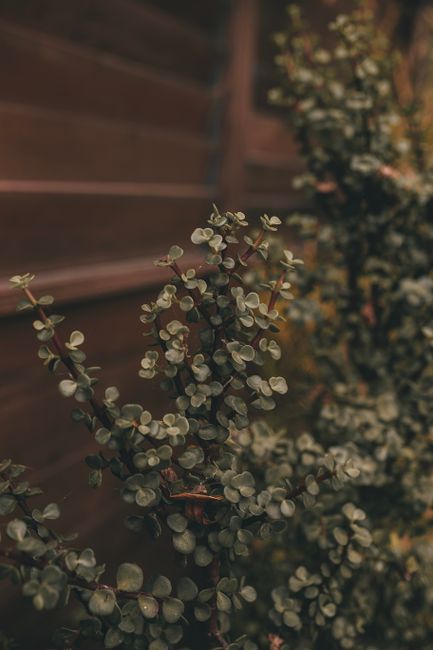
Small gardens near Welling station can be some of the most rewarding spaces to transform. They are compact, often overlooked, and usually carrying a bit too much going on: tired paving, patchy lawn, awkward shade, or a layout that never quite worked in the first place. That is exactly why Welling station small garden transformations by local gardeners matter so much. With the right plan, even a narrow yard or tiny back plot can become a place you actually enjoy stepping into on a quiet morning or coming home to after a long day.
In this guide, we will look at how local gardeners approach these transformations, what tends to work best in real UK gardens, and how to avoid the expensive little mistakes that creep in when space is tight. You will also find a clear step-by-step process, a comparison table, a practical checklist, and a realistic example of how a small garden can change without becoming fussy or overdesigned. Let's face it, small gardens do not need more stuff. They need better decisions.
Why Welling station small garden transformations by local gardeners Matters
Small garden transformation is not just about making a space prettier. In and around Welling station, many homes have gardens that need to work hard: somewhere for morning coffee, somewhere for children to play, a spot for bins, a path that does not turn to sludge in winter, and maybe room for a few plants that survive on actual limited attention. A good local gardener understands that small gardens have to earn their keep.
The local angle matters too. A gardener who works in the area will usually be familiar with the quirks of compact London-style plots, terrace gardens, older boundary walls, and the sort of shade that appears when neighbouring trees decide they own the sky. That experience is useful. It means design choices are grounded in real conditions rather than glossy inspiration that looks lovely on paper and dreadful in a wet February.
There is also a trust element. When a garden is small, every square metre counts. One poor decision can make the whole plot feel cramped. This is why many homeowners prefer a gardener who can combine practical landscaping, maintenance planning, and tidy installation work without overcomplicating the job. A well-planned transformation can improve day-to-day life, property presentation, and long-term ease of care all at once.
For many people, the real payoff is simple: you open the back door and the garden no longer feels like a problem. It feels usable. That is a proper change, not a cosmetic one.
How Welling station small garden transformations by local gardeners Works
The process usually starts with a site assessment. A decent gardener will look at sunlight, drainage, access, privacy, boundaries, existing hard surfaces, and the kind of maintenance you are realistically willing to do. Not everyone wants a high-detail planting scheme. To be fair, plenty of people just want a tidy, stylish garden that stays manageable. Fair enough.
From there, the gardener will shape the plan around the space. In small gardens, the layout tends to be more important than the plant list. A few common approaches include creating one clean circulation route, using vertical planting to save floor space, defining zones for sitting and planting, and reducing visual clutter by simplifying materials. A cluttered small garden feels even smaller after a bit of rain. You know the look.
Depending on the condition of the garden, the work may include clearance, paving or patio refreshes, turf improvement, hedge trimming, light tree work, fencing repairs, or a new planting scheme. If there is old overgrowth or neglected borders, a garden clearance service can create the blank canvas needed before anything else makes sense. If boundaries need sharpening, fencing can immediately tidy the whole feel of the space.
Many local gardeners will also recommend a maintenance plan after the transformation. That is not a sales trick; it is common sense. Small gardens can slip back into disorder quite quickly if nobody keeps on top of edging, pruning, weeding, and lawn care. A transformation only really stays transformed when the aftercare is thought through.
Key Benefits and Practical Advantages
One of the biggest benefits is better use of space. A small garden can be divided into zones so each section has a purpose, even if the garden itself is modest. A seating corner, a strip of planting, a central path, and a clean border can often do more than a large lawn ever did.
Another benefit is lower visual noise. By reducing broken paving, overcrowded borders, or random leftover features, local gardeners can make the space feel calmer. In a small garden, calm matters. People notice light, lines, and openness much more quickly than they do in a large plot.
There is also practical value in simpler maintenance. If the design works with the size of the garden, you spend less time fighting it. That might mean choosing the right lawn solution, rethinking planting density, or building in paved sections that are easy to clean. Services such as lawn care, patio cleaning, and garden maintenance often play a bigger role than people expect.
Some of the benefits are less obvious but just as useful:
- Better drainage and less muddy access after rain
- Improved privacy in overlooked gardens
- Safer paths and clearer steps
- More usable space for family time or entertaining
- Higher kerb appeal from the rear as well as the front
And perhaps the most underrated benefit? Confidence. Once a small garden is properly sorted, people tend to use it more. They stop apologising for it.
Who This Is For and When It Makes Sense
This kind of transformation suits a lot of homeowners, but especially those with compact outdoor spaces that have become awkward, underused, or simply embarrassing in daylight. If your garden is too small for the usual one-size-fits-all ideas, local gardeners can help you make smarter choices instead of bigger ones.
It makes sense if you are:
- moving into a home with an untidy or outdated garden
- preparing to sell and want the outside space to look cared for
- trying to make a narrow garden more family-friendly
- tired of spending weekends dealing with weeds and moss
- looking for a more modern, low-maintenance layout
- dealing with shade, poor drainage, or privacy issues
It also makes sense if you already know what is wrong, even if you do not know how to fix it. That is more common than people admit. You might just feel that the garden is visually heavy or difficult to use, but not be able to say why. A good gardener can usually diagnose the problem quite quickly: too many materials, too much lawn for the light available, poor boundary definition, or planting that has outgrown the scale of the space.
If you are unsure whether a transformation is worth it, start by comparing the current garden to the way you want to live in it. If the current setup is constantly getting in the way, then yes, it probably is time.
Step-by-Step Guidance
Here is the practical version, stripped back and honest. Small gardens improve fastest when the work follows a clear order.
1. Clear the space properly
First remove dead growth, broken pots, damaged edging, old fixtures, and anything else that blocks the layout. A clean start makes the design easier to judge. It sounds obvious, but people often skip this and try to design around clutter. That rarely ends well.
2. Measure the usable areas
Not just the overall garden size. Measure the width of the narrowest points, the space beside doors, and any areas that need access for bins or bikes. Small gardens can be deceptive. A few awkward centimetres matter more than you think.
3. Decide what the garden must do
Pick the priorities. Entertaining? Low maintenance? Child-friendly? Private seating? A planting-led sanctuary? If the garden tries to do everything, it often ends up doing none of it well.
4. Choose the hard landscaping first
In most small gardens, hard surfaces define the usability. That may include a compact patio, a narrow path, decorative edging, or a decked area. Some spaces benefit from decking services, while others work better with paving and simple borders. The key is proportion. Oversized slabs can overwhelm a tiny garden, while too many small pieces can look busy.
5. Add structure and boundaries
Privacy screens, trellis, fences, and trimmed hedges help create shape. This is often where the whole transformation starts to feel intentional. A little structure goes a long way in a compact space.
6. Build planting around the conditions
Choose plants that suit the light and the maintenance level. Shady garden? Do not force sun-loving plants into it and hope for the best. That way frustration lies. A local gardener will usually work with the conditions rather than against them.
7. Finish with practical details
Lighting, storage, bin screening, edging, and easy-clean surfaces are the small details that make the space liveable. They are not glamorous, but they are the difference between a pretty garden and a usable one.
If the garden includes trees or mature hedging, consider whether light is being blocked or whether overgrowth is taking too much space. In those cases, hedge trimming, tree surgery, or even careful tree lopping and removal may need to form part of the plan. That is the sort of detail people sometimes leave too late.
Expert Tips for Better Results
In my experience, the best small-garden results usually come from restraint. Not from bigger budgets, not from trendier materials. Restraint. If the garden is tiny, every item should earn its place.
Here are a few practical tips that make a noticeable difference:
- Keep the palette tight. Two or three main materials often look better than five.
- Use repetition carefully. Repeating planters or paving tones can make the garden feel calmer.
- Think vertical. Walls, trellis, climbers, and raised planters help when ground space is limited.
- Choose rounded planting where needed. It softens hard lines without cluttering the layout.
- Leave breathing space. A little empty space is not wasted space.
Another useful habit is to work with sightlines. Stand at the back door, then from the main seating spot, then from the kitchen window if you have one. What catches your eye first? A rusted bin store? Overgrown shrubs? An awkward corner? Start there. Good design often begins by removing the one thing that keeps irritating you every day.
And yes, a small garden can still have personality. It does not need to look like a showroom. A slightly imperfect, lived-in garden with well-chosen details often feels more welcoming than something over-styled and a bit cold. You want charm, not drama.
Common Mistakes to Avoid
Small garden projects go wrong in a few predictable ways, and most of them are avoidable.
- Overfilling the garden. Too many planters, ornaments, and features make the space feel smaller.
- Ignoring maintenance. If a design needs constant tidying and you do not have the time, it will quickly feel like a burden.
- Choosing the wrong scale. Large elements can swamp small areas, while tiny details can look lost.
- Forgetting drainage. Water pooling in a compact garden becomes a nuisance fast.
- Leaving poor boundaries untouched. Wobbly fences, messy hedges, and broken edges make the whole space look unfinished.
One common mistake deserves special mention: designing for photos, not for life. A garden that looks great for a day but is impossible to sit in, sweep, or keep neat is not really a success. Honestly, people find this out fairly quickly once the first wet week arrives.
Another misstep is skipping the long view. A small garden transformation should still work in six months and in two years. Plants grow. Light changes. Surfaces weather. A local gardener who understands seasonal change will usually plan for that from the start.
Tools, Resources and Recommendations
You do not need a huge toolkit to make progress, but the right tools matter. Local gardeners will usually bring professional-grade equipment for clearance, cutting, edging, pruning, and surface work. For homeowners, the useful basics are more modest.
Helpful tools and items include:
- good secateurs for light pruning
- a stiff broom for patios and paths
- gloves that actually fit, not the floppy ones from the back of the shed
- a hose or watering can with decent reach
- basic measuring tape for checking planting and furniture space
- containers or storage that keep clutter under control
From a service perspective, it can be useful to combine a transformation with ongoing care rather than treating them as separate worlds. For example, a garden may need one-off redesign work and then lighter support through lawn mowing or routine gardening services. The point is not to have more services for the sake of it. The point is consistency.
If sustainability matters to you, it is sensible to ask how green waste is handled and whether materials are reused or recycled where practical. The site's recycling and sustainability approach is a useful reference point when choosing how the job should be managed. That kind of detail may feel small, but it says a lot about how carefully the work is done.
Law, Compliance, Standards, or Best Practice
For most domestic garden transformations, the main concern is not heavy regulation but good practice, safety, and neighbourly common sense. Even so, there are a few things worth keeping in mind.
If work involves trees, boundary height, overhanging branches, or larger structural changes, it is sensible to check responsibilities carefully before cutting or removing anything major. Tree work in particular can become sensitive if a tree is protected, shared, or close to a boundary. A professional approach matters here. It is one of those jobs where guessing is a bad idea.
For harder landscaping, reputable gardeners should work with safe access, stable tools, careful lifting, and appropriate insurance. You can review practical standards on health and safety policy and insurance and safety. That does not mean every tiny job is risky; it means you should expect a basic duty of care.
Privacy, payment, and service terms also matter. If you are comparing quotes, it is worth checking exactly what is included, what happens if the weather interrupts work, and how variations are handled. The pages on pricing and quotes, payment and security, and terms and conditions give you a sensible framework for those conversations.
Finally, if you ever have a concern about the service process itself, knowing where the company stands on complaints, privacy, and accessibility is reassuring. That kind of transparency is part of trust, and trust counts for a lot when you are letting someone work around your home.
Options, Methods, or Comparison Table
There is no single right way to transform a small garden near Welling station. The best option depends on how you use the space, how much maintenance you want, and how much existing structure can be saved.
| Approach | Best for | Strengths | Trade-offs |
|---|---|---|---|
| Light refresh | Gardens in decent shape that need tidying | Fast, cost-conscious, keeps existing character | Won't solve deeper layout problems |
| Hard landscaping update | Awkward, uneven, or badly laid-out spaces | Improves usability, drainage, and structure | More disruptive and usually more expensive |
| Planting-led makeover | Gardens with good bones but poor planting | Softens the space, boosts seasonal interest | Needs maintenance and good plant selection |
| Low-maintenance redesign | Busy households or rental properties | Easier upkeep, cleaner look, practical long term | Can feel less lush if over-simplified |
If you are unsure which route to choose, ask a simple question: what problem annoys you most right now? If it is mud, focus on surfaces and drainage. If it is lack of privacy, focus on screening and boundary planting. If it is simply mess, then clearance and maintenance may deliver the biggest immediate gain.
The best transformations usually combine methods rather than relying on one big fix. A compact patio, a better fence line, and cleaner planting can be more effective together than any single dramatic feature. Quietly better. That is often the goal.
Case Study or Real-World Example
Here is a realistic example based on the kind of work local gardeners regularly handle.
A small rear garden near the station had become a patchwork of cracked paving, a tired strip of lawn, overgrown hedging, and a few containers that had clearly been repurposed more than once. From the back door, the whole view felt cramped and slightly forgotten. Nothing was disastrous, but nothing really worked either.
The transformation began with clearance and pruning. The old clutter went first, then the hedge was cut back to restore light, and the boundary line was tightened so the garden stopped feeling like it was collapsing inward. A smaller, cleaner seating area replaced part of the uneven surface. The remaining lawn section was reduced and rebalanced with easier care in mind. Planting was then chosen to suit the shade and keep the layout open rather than crowded.
The result was not flashy. Which was kind of the point. The garden felt easier to enter, easier to use, and easier to keep tidy. The back door view changed from busy and blocked to simple and calm. And that made the biggest difference of all.
That sort of job also shows why landscape gardening and landscaping are often part of small-garden work, even when the finished result looks understated. The planning behind it does the heavy lifting.
Practical Checklist
Use this checklist before you start a small garden transformation. It helps keep the project grounded.
- Identify the garden's main problem: clutter, shade, lack of privacy, poor drainage, or awkward layout
- Measure the space properly, including access points
- Decide whether you want low maintenance or a planting-heavy finish
- Remove dead growth, broken features, and leftover clutter
- Check fences, hedges, and trees for overgrowth or damage
- Choose a clear style direction and stick to it
- Keep materials and colours limited
- Plan for maintenance after the transformation
- Ask how waste, safety, and insurance are handled
- Confirm what is included in the quote before work begins
Expert summary: the most successful small gardens are usually not the most elaborate ones. They are the ones that feel easier to live with. Good layout, sensible planting, tidy boundaries, and a maintenance plan can change the feel of a space far more than a pile of expensive extras ever will.
Conclusion
Welling station small garden transformations by local gardeners are about more than tidying up a small patch of ground. They are about making modest outdoor spaces work properly for daily life. When the layout is improved, the boundaries are sorted, and the planting suits the conditions, even the smallest garden can feel calmer, brighter, and much more welcoming.
The strongest results usually come from practical thinking rather than dramatic gestures. Clear what no longer works, keep the design proportional, and think about how you want to use the space every week, not just how it will look on one sunny afternoon. That is the difference between a garden that photographs well and a garden you actually enjoy.
If you are starting to picture what your own space could become, that is usually the right moment to take the next step. A short conversation, a clear plan, and a realistic quote can save a lot of back-and-forth later.
Get a free quote today and see how much you can save.
Sometimes the smallest garden changes are the ones that make home feel most complete. Funny how that works.
Frequently Asked Questions
What does a small garden transformation usually include?
It often includes clearance, layout improvements, planting changes, surface cleaning or replacement, boundary work, and a maintenance plan. The exact mix depends on the garden's condition and how you want to use it.
How do local gardeners make a tiny garden look bigger?
They usually reduce visual clutter, simplify the materials, improve sightlines, and use the layout more carefully. Vertical planting and well-placed boundaries can also help the garden feel more open.
Is a small garden transformation worth it for a rental property?
Yes, if the space is tired, difficult to manage, or makes the property feel neglected. A low-maintenance design is usually best for rentals because it keeps upkeep manageable.
How long does a small garden project take?
That depends on the amount of clearance, the complexity of the surfaces, and whether trees or fences need attention. A simple refresh may take much less time than a full redesign, so it is best to assess each garden individually.
What is the biggest mistake people make with small gardens?
Trying to add too much. In a compact space, less is usually more. A small garden needs room to breathe or it can quickly feel crowded and awkward.
Can a small garden still have lawn and planting?
Absolutely, but both need to be scaled properly. Sometimes a smaller lawn area combined with planting beds or pots works better than a full lawn that is hard to maintain.
Do I need hedge trimming or tree work as part of the transformation?
Not always, but it is common where hedges are overgrown or trees are blocking too much light. Services like hedge trimming or tree surgery can make a surprisingly big difference in a tight garden.
How do I choose between decking and paving?
Think about how you use the space, how much maintenance you want, and what fits the layout. Decking can soften a space, while paving often feels cleaner and easier to sweep. The right choice depends on the garden rather than the trend.
Should I prioritise design or maintenance first?
In most small gardens, the two should go together. A beautiful layout that is hard to maintain rarely stays beautiful for long. The best transformations are designed with upkeep in mind from the start.
How do I know if I need full landscaping or just garden maintenance?
If the layout, surfaces, and structure are the main problems, landscaping may be more appropriate. If the garden is basically sound but just messy or overgrown, garden maintenance and selective improvements may be enough.
What should I ask before hiring a local gardener?
Ask what is included, how the work will be phased, whether waste removal is covered, how safety is managed, and what aftercare is recommended. Clear answers up front usually mean fewer surprises later.
Can small garden transformations be kept low maintenance?
Yes, very much so. The key is to choose durable materials, simple planting, and a layout that does not create extra work. A little discipline at the start saves a lot of faff later.
For homeowners near Welling station, the best small garden results are usually the quiet ones: cleaner lines, better light, easier movement, and a space that simply feels nicer to step into. That is not small at all.